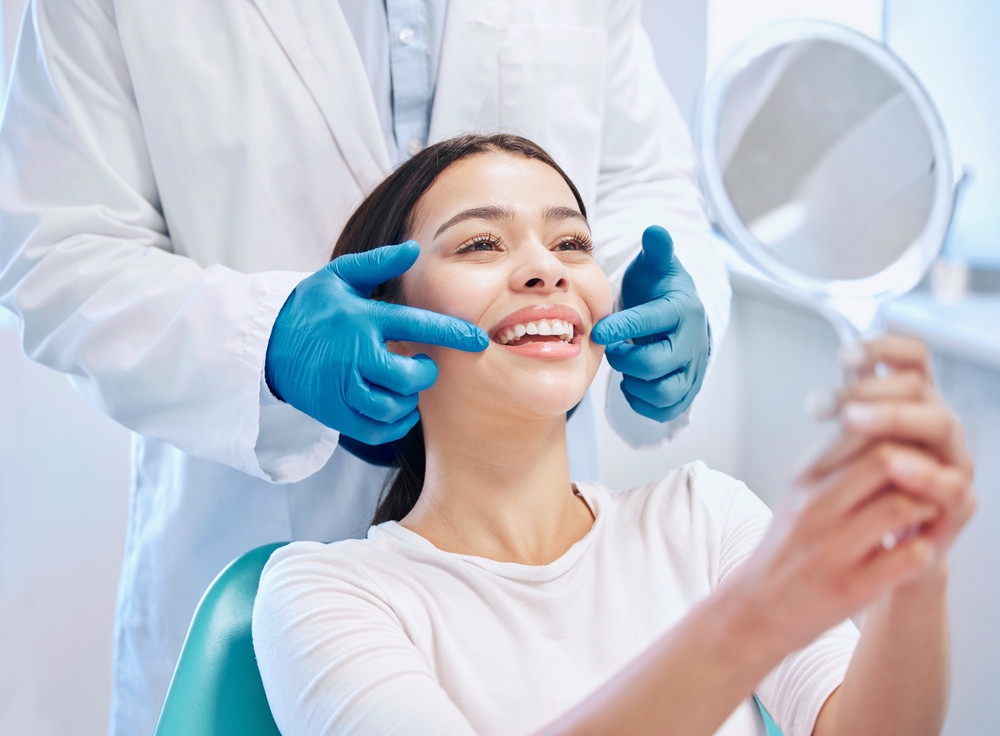
Teeth Whitening

Teeth whitening offers a straightforward way to address tooth discoloration and provide patients with a brighter smile without altering the shape or structure of the teeth, supporting better oral health and dental hygiene along the way.

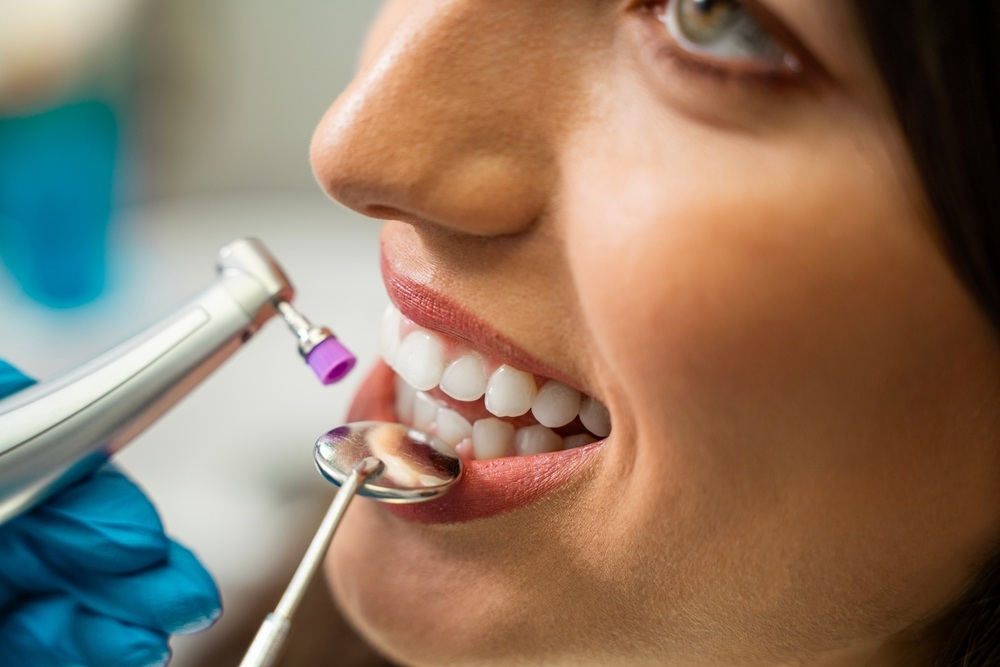
Professional teeth bleaching uses peroxide-based whitening agents, such as hydrogen peroxide or carbamide peroxide, to lighten tooth enamel and dentin. The American Dental Association classifies it as “a common elective procedure and a popular, less-invasive aesthetic treatment.” Wikipedia describes it as the process of lightening the colour of human teeth achieved by changing the intrinsic or extrinsic colour of the tooth enamel.

North County Aesthetics & Implants

Meet Dr. Howard

Dr. Nelson Y. Howard, D.D.S., is an Accredited member of the American Academy of Cosmetic Dentistry, a distinction held by fewer than 490 dentists worldwide. With more than 37 years of clinical practice and thousands of continuing education hours, Dr. Howard has built a reputation for combining clinical precision with an artistic eye for aesthetics. His background spans cosmetic smile makeovers, dental implants, restorative care, and emergency dentistry, giving patients access to a wide range of services under one experienced provider. Patients in San Marcos and the greater San Diego area have relied on his skill and attention to detail for decades.

Learn About Your Doctor!

North County Aesthetics & Implants

Conditions, Symptoms, and Pain

Tooth discoloration is one of the most common reasons patients seek professional dental care beyond routine cleanings. Discoloration falls into two categories: extrinsic staining, which affects the outer surface of the tooth, and intrinsic staining, which originates within the tooth structure itself. Extrinsic stains are typically caused by coffee, tea, red wine, tobacco, and certain foods, while intrinsic staining can result from aging, medications like tetracycline, dental trauma, or excessive fluoride exposure during tooth development. Professional teeth whitening directly targets extrinsic staining and, in some cases, can also improve mild intrinsic discoloration, supporting better oral health and a brighter smile. According to NIH’s StatPearls clinical reference, tooth discoloration ranks among the most common complaints dentists hear from patients looking to improve the appearance of their teeth. The sections below cover how to read discoloration patterns and when to get a professional’s input.

Speak to a Professional!

Recognizing the Problem

Discoloration tends to develop slowly enough that many patients don’t notice it until they compare a recent photo to an older one, or until the change becomes apparent under bright lighting. The shade shift isn’t always uniform across the dentition. Teeth may appear more yellow near the gumline where enamel is thinner, or more gray when the discoloration has an intrinsic origin. Posterior teeth and the lingual surfaces are affected by staining too, even if patients mainly notice changes on the visible front teeth, particularly where food particles tend to linger longest. The pattern of discoloration often provides useful information about the underlying cause. A peer-reviewed population study published in the Journal of Dentistry puts the scale of this concern in perspective, finding that “half of the people in this study perceived themselves to have tooth discolouration.”

When should you seek a professional?

Over-the-counter whitening products work for patients with mild extrinsic staining, but several clinical situations call for a professional evaluation first. Patients with crowns, veneers, composite bonding, or other dental restorations need to know that bleaching agents don’t alter the shade of these materials, which can leave uneven color if left unaddressed. Patients with tooth sensitivity, visible enamel erosion, enamel hypoplasia, or active gum disease should also have these assessed before whitening, since compromised enamel or inflamed gum tissue can intensify reactions to bleaching agents. A discolored tooth that has lost its nerve, often after trauma or a root canal, calls for a different approach: dental professionals sometimes use internal bleaching, also called intracoronal internal bleaching, which carries a documented but uncommon risk of cervical root resorption. NIH notes that “understanding the specific etiology is crucial for determining the most appropriate treatment plan.”

Prevention and Hygiene Education

Preventing tooth staining is easier than reversing it, and several evidence-based oral care habits can slow how quickly teeth discolor. Reducing intake of staining beverages like coffee, tea, and red wine, or rinsing with water right after, limits staining compounds from bonding to enamel. Brushing twice daily and flossing once daily removes surface debris and food particles before they harden into stain-retaining deposits. Regular professional cleanings also make a real difference for long-term dental health, since hygienists can remove calculus and stain buildup that brushing alone can’t address. The National Institute of Dental and Craniofacial Research recommends the same core dental hygiene habits: brushing twice daily with fluoride toothpaste, cleaning between teeth daily, and visiting the dentist for routine checkups and cleaning.

Popular Home Remedies

A wide range of at-home whitening products and consumer methods are in regular use, and many patients try a whitening toothpaste or other simple option before seeking professional care. Whitening toothpastes rely on mild abrasives or low concentrations of peroxide to reduce surface staining. Over-the-counter whitening strips use a thin film coated with hydrogen peroxide, held against the tooth for a set period. Consumer tray kits use a bleaching gel and distribute peroxide more evenly than strips, but at lower concentrations than the custom trays and peroxide gels a dental professional can provide. Oil pulling with coconut oil, baking soda pastes, and activated charcoal circulate widely online, though their mechanisms differ from peroxide-based bleaching. As a peer-reviewed paper in the Journal of the American Dental Association notes, at-home peroxide whitening “has been well-received by the public” since 1989.

What the Research Says

The clinical literature identifies bleaching agent concentration and total contact time as the two primary variables that determine whitening outcomes. Hydrogen peroxide or carbamide peroxide treatments, whether applied through in-office bleaching (also called power bleaching) or custom-fitted trays from a dental professional, outperform consumer-grade alternatives because both in-office systems and at-home systems supervised by a dentist deliver higher concentrations with better tissue isolation. Temporary tooth sensitivity is the most frequently reported side effect, occurring because peroxide increases enamel permeability and allows the pulp to respond more readily to thermal stimuli; dental professionals often recommend desensitizing agents alongside treatment. A 2024 systematic review confirms sensitivity “suggests inflammatory changes in the dental pulp.” This resolves in most patients within 24 to 72 hours and doesn’t indicate permanent structural change.

North County Aesthetics & Implants

Cost and Insurance

Professional teeth whitening is generally one of the more accessible cosmetic dental investments available, with costs that vary depending on the method used and the degree of treatment required. Knowing what industry averages look like for these dental care services helps patients plan ahead and have a more informed conversation with their dental team.

Industry Average Pricing

The cost of professional teeth whitening varies across the country based on the provider, the whitening method selected, and the geographic market. Professional in-office whitening performed at a dentist’s office uses higher-concentration bleaching agents and typically runs at a higher price point than take-home tray systems, which spread treatment across multiple sessions. The American Academy of Cosmetic Dentistry’s 2022 State of the Cosmetic Dentistry Industry survey puts the national average cost for professional teeth whitening under a dentist’s supervision at $508, up from $393 in 2019, reflecting steady demand growth across treatment settings. These figures represent industry averages only and aren’t intended to reflect the pricing at any specific practice. For accurate information about current plans and rates, contacting the dental team directly is the most reliable approach.

Common Insurance Providers

Teeth whitening is classified as a cosmetic procedure by most dental insurance carriers, which means it’s typically excluded from standard coverage under most plans. The following represents a general industry list of dental insurance providers commonly associated with dental services in the United States, and isn’t guaranteed to reflect the accepted providers at any specific practice. According to the U.S. Office of Personnel Management’s dental plan listings, national dental insurance carriers broadly active in the U.S. market include Delta Dental, Aetna Dental, Blue Cross Blue Shield, MetLife, UnitedHealthcare, United Concordia, Guardian, Cigna, and Humana, among others. Coverage policies vary widely between plans and carriers, so patients are encouraged to verify their specific benefits with both their insurance provider and the dental team before scheduling treatment.

Speak to a Professional!

Frequently Asked Questions

The questions below address what patients most commonly want to know about professional teeth whitening before moving forward with a consultation or treatment.

Does professional whitening work differently on crowns, veneers, or bonding than on natural teeth?

Peroxide-based bleaching agents only affect natural tooth structure. Crowns, veneers, porcelain restorations, and composite bonding don’t respond to whitening treatment the way natural enamel does. Patients with existing restorations on visible teeth should discuss this with a dental professional before whitening, since the natural teeth may lighten while the restorations remain at their original shade, creating a color mismatch.

Why do some patients experience sensitivity after whitening, and how long does it last?

Sensitivity occurs because peroxide temporarily increases the permeability of enamel, allowing the dental pulp to respond more readily to temperature changes. This effect is temporary. Most patients find that sensitivity resolves within 24 to 72 hours following treatment. Patients with pre-existing sensitivity or thin enamel may experience a stronger response and should discuss this with a dental professional before beginning any whitening protocol.

How does in-office professional whitening differ from take-home trays provided by a dentist?

In-office whitening uses higher concentrations of bleaching agent applied under clinical supervision, often combined with a curing light, and typically produces visible results within a single appointment. Take-home custom bleaching trays provided by a dentist use a lower concentration applied over a series of sessions, which allows for more controlled, gradual lightening. Both approaches use professional-grade materials that differ from over-the-counter strips in concentration and delivery method.

How long do whitening results last, and what affects their longevity?

Results from professional whitening typically last between six months and two years. Dietary habits have the most significant impact on longevity, since regular consumption of coffee, tea, red wine, and tobacco accelerates restaining. Consistent oral hygiene and periodic professional cleanings help maintain results, and some patients use touch-up treatments to extend the duration of their initial outcome.

Is whitening appropriate for patients who have had recent dental work or active gum concerns?

Patients with active gum disease, untreated cavities, or significant enamel erosion generally aren’t considered candidates for whitening until those conditions have been addressed. Whitening agents can intensify sensitivity and irritation in areas where the protective enamel layer is compromised or where gum tissue is inflamed. A clinical evaluation before beginning treatment allows a dental professional to identify any conditions that should be treated first.

San Marcos
Rancho Bernardo