
Dental Implants
When to consider Dental Implants
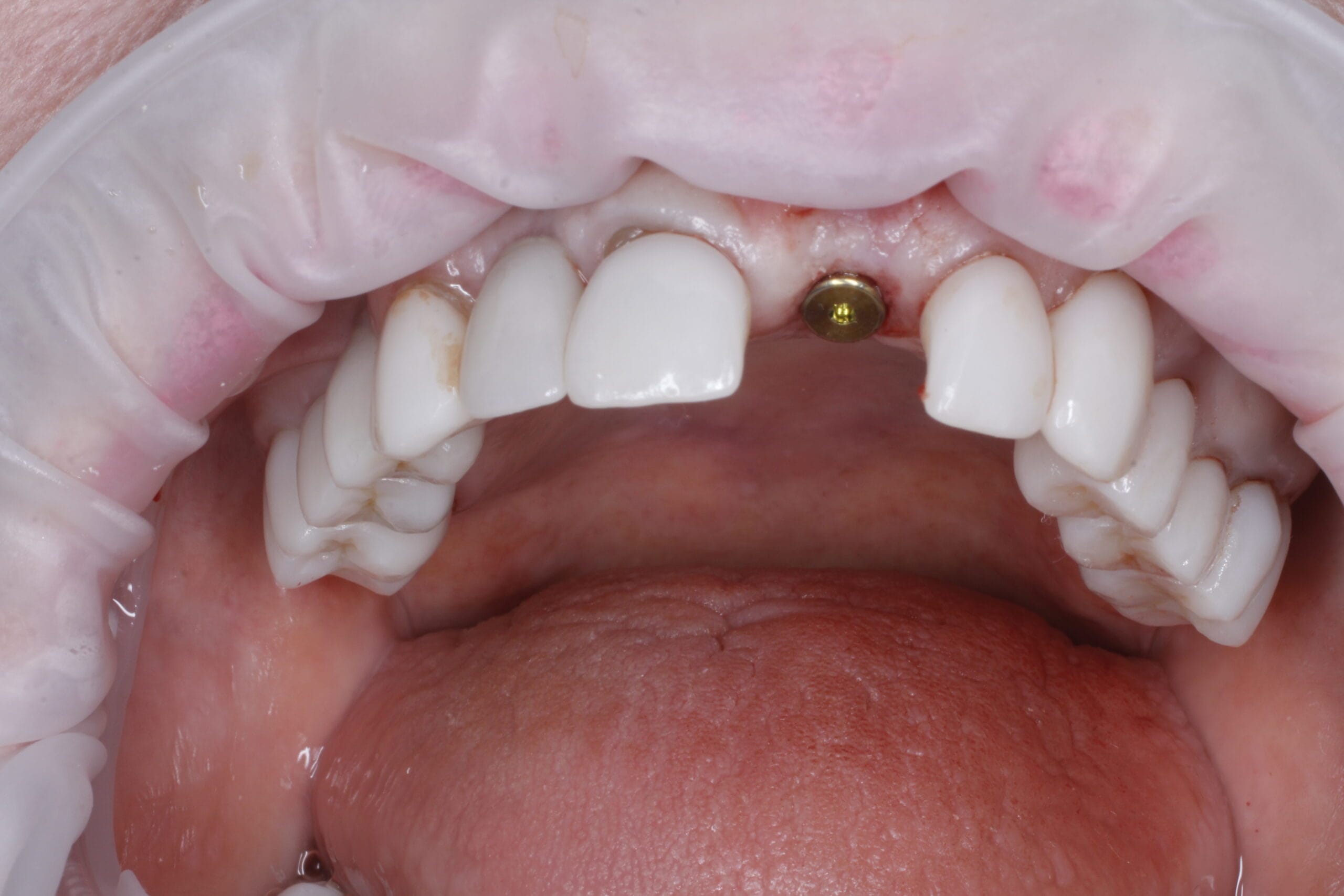
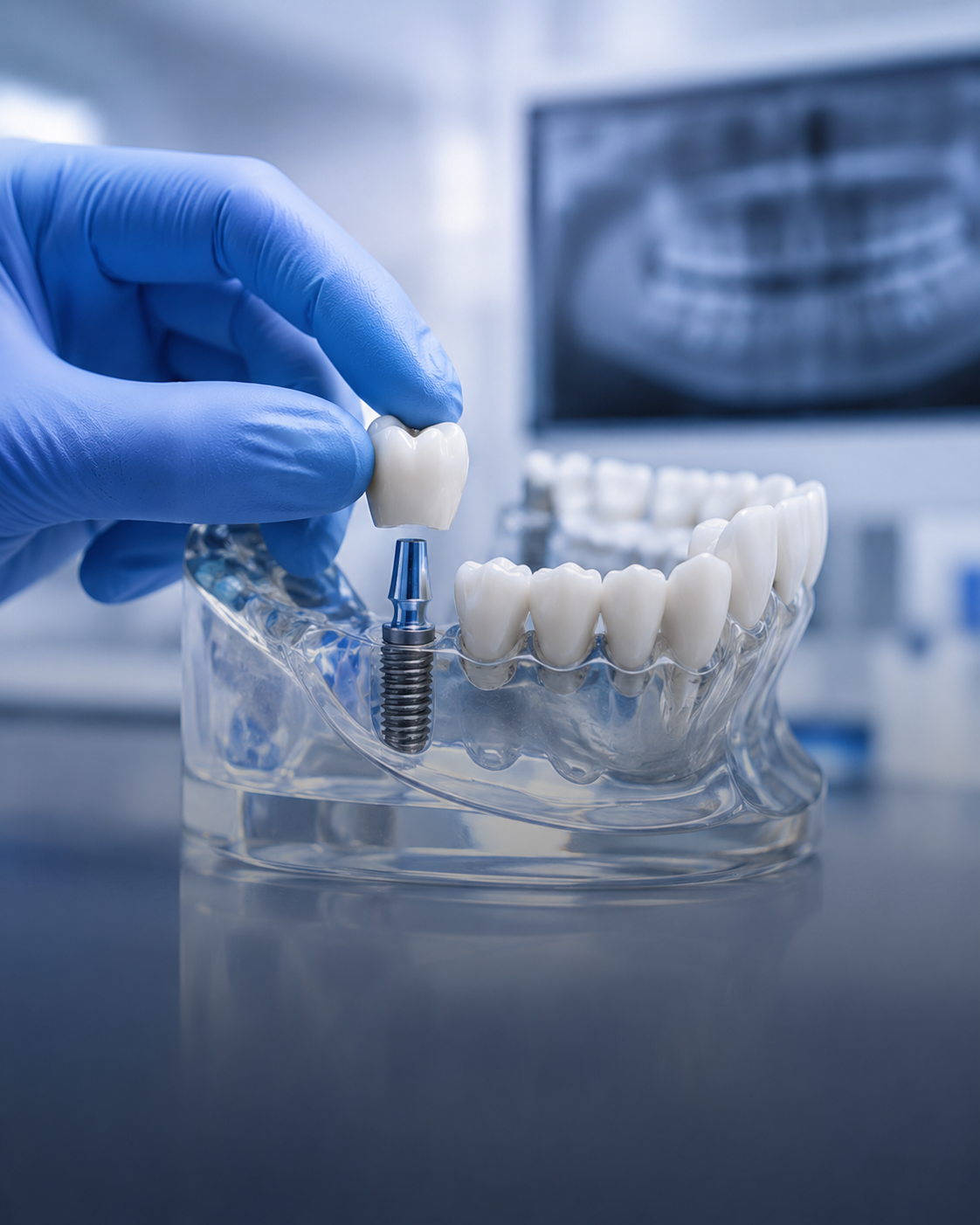
Most patients who start looking into dental implants already know something isn’t working anymore. Missing teeth, an unstable denture, or a bridge that’s run its course is usually what prompts the search for dental implant surgery. The Journal of the American Dental Association describes, “implants are metal tooth roots that are placed into the jawbone through minor surgery. The bone and gums grow around the implant to hold it in place.” That root replacement is what separates implants from every other tooth replacement option.
The biological process behind it was discovered by accident. As Wikipedia’s article on osseointegration documents, “In 1952, Brånemark did an experiment where he used a titanium implant chamber to study blood flow in rabbit bone. At the end of the experiment, he discovered that the bone had integrated so completely with the implant that the chamber could not be removed.” That discovery, bone regrowth fusing to the implant through osseointegration, is what the modern dental implant system is still built on, which is why the clinical background of the dental professional placing them matters.
For patients missing one tooth, several teeth, or an entire arch, the configurations available today mean nearly every situation has a workable path forward.
Meet Dr. Khizer Hafeez
Dr. Khizer Hafeez is a Doctor of Dental Surgery, having earned his degree from the prestigious New York University College of Dentistry. Licensed by the Dental Board of California, Dr. Hafeez brings advanced expertise across a broad range of disciplines, including dental implantology, restorative dentistry, cosmetic dentistry, and general dentistry. He is dedicated to combining clinical precision with a personalized, patient-first approach to help each individual achieve a healthy, confident smile.
Types of Implants Offered
Each implant configuration is designed to address a different clinical situation, from replacing a single tooth to restoring an entire arch. Most are endosteal implants, anchored directly into the jawbone; a subperiosteal implant, which rests on top of the bone and are sometimes considered when bone density is severely limited, are another option in select cases. Here’s how the configurations offered by North County Aesthetics & Implants compare.

Single Implant Crowns
A single implant crown replaces one missing tooth with a dental implant body anchored in the jawbone, a dental abutment connecting it to the surface, and a dental crown on top. Stock abutments or custom-fabricated abutments may be used depending on the anatomy of the site, and the dental implant abutment is secured with an abutment fixation screw before the crown is placed. It functions and looks like a natural tooth, doesn’t rely on neighboring teeth for support, and helps preserve bone at the site of the missing tooth.
Implant Bridges
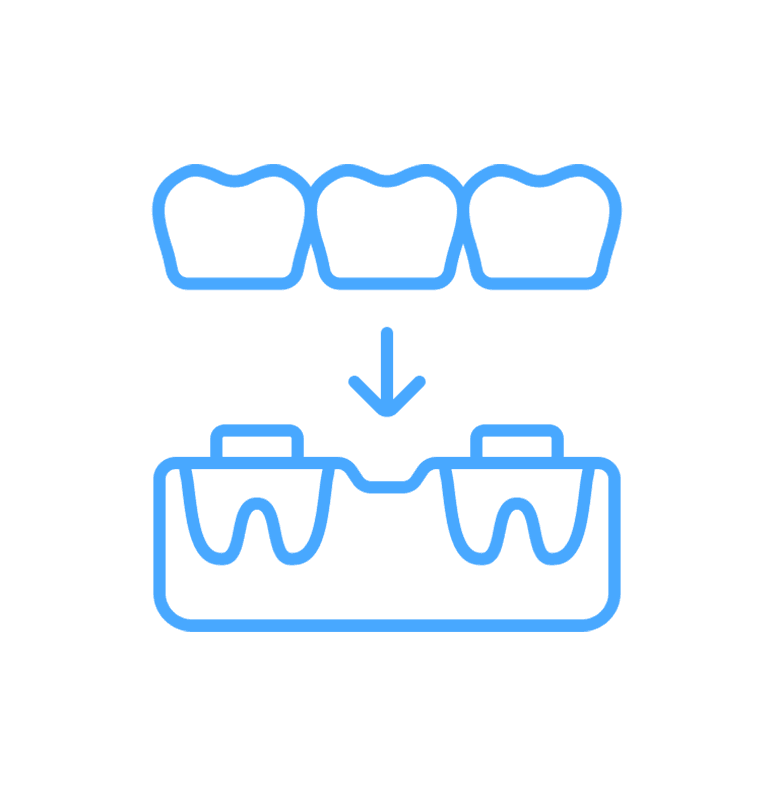
An implant bridge replaces several consecutive missing teeth using two implant fixture anchors on either end, with a false tooth or false teeth fabricated in a dental lab and suspended between them. Unlike traditional dental bridges that grind down adjacent natural teeth to serve as anchors, an implant bridge is supported entirely by the implant fixtures and secured with dental cement. It’s a fixed solution that doesn’t come in and out, and avoids placing an individual implant for every missing tooth in the span.
Implant-Supported Dentures
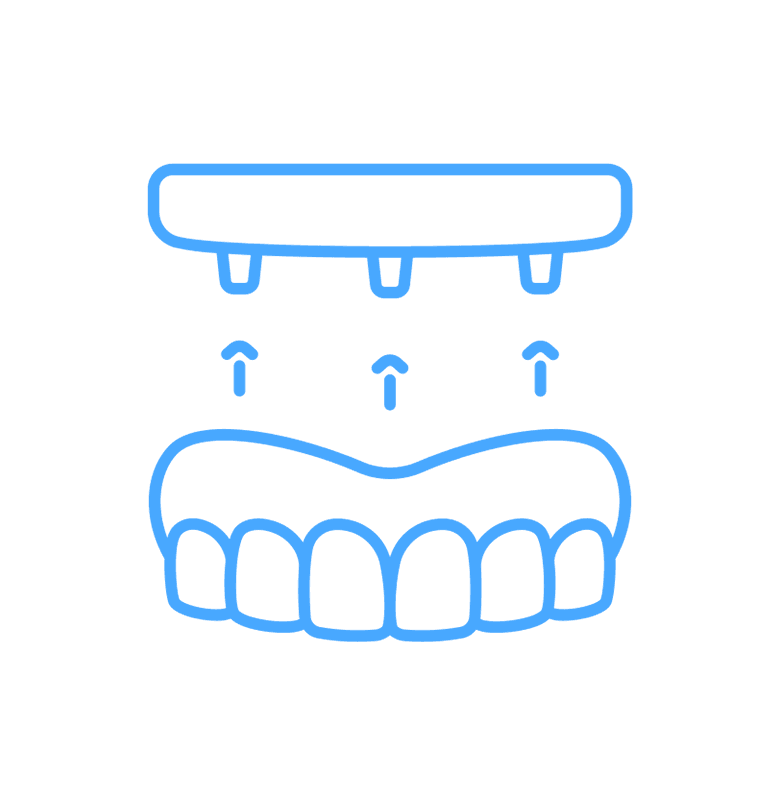
Implant-supported dentures replace a full arch of teeth and attach directly to implant fixtures anchored in the jaw, offering a more stable alternative to a full denture. Unlike traditional removable dentures, they don’t shift during eating or speaking, and the implants help prevent the peri-implant bone loss that conventional dentures allow to progress over time.

Immediate Implant Placement
Immediate implant placement is an oral surgery procedure performed under local anesthesia, placing the implant at the same appointment as a tooth extraction when primary implant stability can be established at the site. It reduces the total number of surgical procedures and can shorten the overall treatment timeline significantly.
All-on-X
All-on-4 dental implants and broader All-on-X systems offer full-arch restorations supported by four or more strategically placed endosteal implants, often angled to take advantage of denser bone areas and reduce the need for a bone graft or sinus lift. The prosthetic arch is typically fabricated from zirconium oxide or acrylic, resulting in a fixed, non-removable set of teeth delivered in fewer appointments than traditional implant approaches.
3 on 6
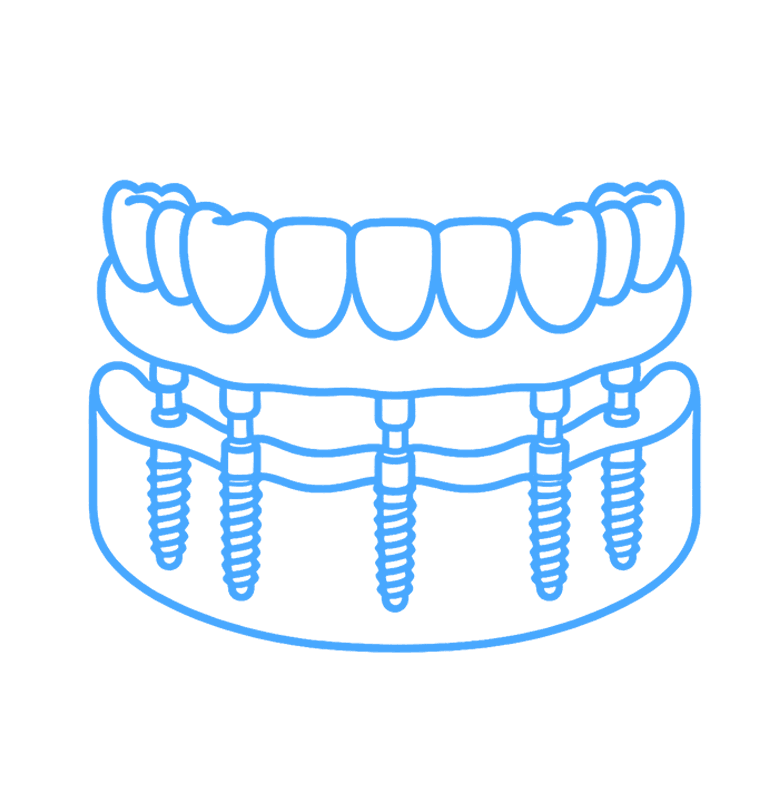
The 3 on 6 system places six titanium screw implant posts per arch to support three separate bridge segments, each covering a section of the jaw. Distributing the load across six implant fixtures gives it added stability, and the segmented design means individual sections can be serviced without affecting the rest.

Conditions and Symptoms That Point Toward Implant Candidacy
When a tooth is lost, changes begin beneath the surface as the jawbone starts to resorb because it no longer receives stimulation through the tooth root and periodontal ligament. Over time, the missing tooth can allow neighboring teeth to drift, contribute to changes in bite alignment, and reduce the amount of bone available for a future dental implant, sometimes making treatment more complex or requiring bone grafting. According to the CDC’s 2024 Oral Health Surveillance Report, complete tooth loss (edentulism) rises from 1.2% among adults aged 35–49 to 19.7% among adults aged 75 years and older, illustrating how tooth loss becomes increasingly common with age. The sections below explain the signs that bone loss may already be underway and why early evaluation can preserve more treatment options.

Recognizing the Signs
Bone resorption following tooth loss is gradual, so the consequences build quietly before they’re obvious. Patients often don’t connect a shifting bite, a denture that no longer fits, or increasing difficulty chewing on one side to the structural changes happening beneath the gum line. Patients who’ve had failed root canals, multiple extractions, or who’ve worn removable dentures for several years are among those most likely to benefit from a full dental exam with dental X-rays to assess their candidacy for an implant procedure. A PMC-indexed review of alveolar ridge preservation research explains, “A physiological alveolar bone resorption may reach up to 40% in height and 60% in width, with the gross loss being reached within 3 months after extraction,” which is why timing matters when evaluating implant candidacy.
When to Seek a Professional Evaluation
Patients who are no longer satisfied with a removable denture, who’ve been told a tooth can’t be saved, or who notice changes in how their bite feels are all reasonable candidates for an evaluation with a dental provider. In some cases, immediate implant placement can happen at the same appointment as an extraction, which shortens the overall treatment timeline considerably. A peer-reviewed narrative review in the Journal of Clinical Medicine explains, “Following tooth extraction, the alveolar socket undergoes dimensional changes during healing, with significant reductions in ridge width and height occurring within the first year.” The earlier the evaluation, the more choices remain available.
Prevention, Hygiene, and Long-Term Implant Care
Implants don’t decay the way natural teeth do, but peri-implant disease, inflammation of the tissue and bone surrounding an implant that can progress to peri-implant bone loss, is one of the leading causes of implant failure. Brushing twice daily, cleaning around implant restorations with appropriate interdental tools, and attending regular periodontal therapy and professional cleanings are all standard parts of long-term implant care. A 2025 consensus report from the American Academy of Periodontology sets the maintenance standard, recommending that supportive peri-implant care include “peri-implant tissue health monitoring, reinforcement of oral hygiene practices and professional microbial biofilm and calculus removal,” with visit intervals based on each patient’s risk profile. The sections below cover what patients commonly try at home while managing discomfort and what the research shows about those approaches.
What Patients Try Before Seeking Professional Care
While deciding on a replacement, many patients manage discomfort with approaches they’ve come across on their own: saltwater rinses, over-the-counter anti-inflammatories, temporary denture adhesives, or clove oil near the extraction site. These are widely used and low-risk for short-term symptom relief, though none address the risk of systemic infection or progressive bone loss when a missing tooth site goes untreated. A study registered with ClinicalTrials.gov notes that approximately 25 percent of individuals already use over-the-counter therapeutic mouth rinses daily, with rates typically higher among those managing post-extraction discomfort.
What the Research Shows About Home Management
Home approaches manage surface-level discomfort but don’t affect the underlying bone changes that determine implant candidacy. Saltwater rinses may support soft tissue healing short-term, but they don’t slow the resorption process that begins after tooth loss. Patients who delay a professional evaluation may find that bone volume has diminished to the point where a bone graft or sinus procedures are needed before implant surgery is possible. A systematic review and meta-analysis in the Journal of Dental Research explains, “implant therapy must not be limited to the placement and restoration of dental implants but to the implementation of PIMT [peri-implant maintenance therapy] to potentially prevent biologic complications and hence to heighten the long-term success rate.” Home care matters, but professional maintenance drives long-term outcomes.
Cost and Insurance for Dental Implant Procedures
The cost of implant treatment depends on the number of implants placed, the type of restoration, and whether preparatory procedures like a bone graft are involved. The sections below cover national average pricing by procedure type and a general list of insurance providers that commonly offer some level of implant-related coverage. Patients who arrive with a rough sense of the averages and their insurance situation tend to find the financial side more manageable than they expected.
Industry Average Pricing
These figures are national averages from dental cost surveys and don’t reflect the fees at any specific dental provider. According to CareCredit, a single-tooth dental implant averages $2,143, with a range of $1,646 to $4,157. Full-arch restorations and multi-implant procedures vary considerably based on the number of implants, materials, and whether preparatory work like a bone graft is involved. Contact the office directly for case-specific pricing.
Common Insurance Providers
The list below is a general reference for carriers that commonly offer some level of implant coverage in the United States; it does not confirm accepted providers at this practice. According to the U.S. Office of Personnel Management’s Federal Employees Dental Program, major national PPO carriers include Aetna Dental, Blue Cross Blue Shield FEP Dental, Delta Dental, GEHA Connection Dental Federal, the MetLife Federal Dental Plan, United Concordia Dental, and UnitedHealthcare Dental Plan. Coverage varies considerably by plan; many carriers classify dental implant surgery as elective, which limits reimbursement. Contact a dental professional at the office directly to verify accepted providers and applicable coverage.
Saving Your New Tooth for a Healthier Smile
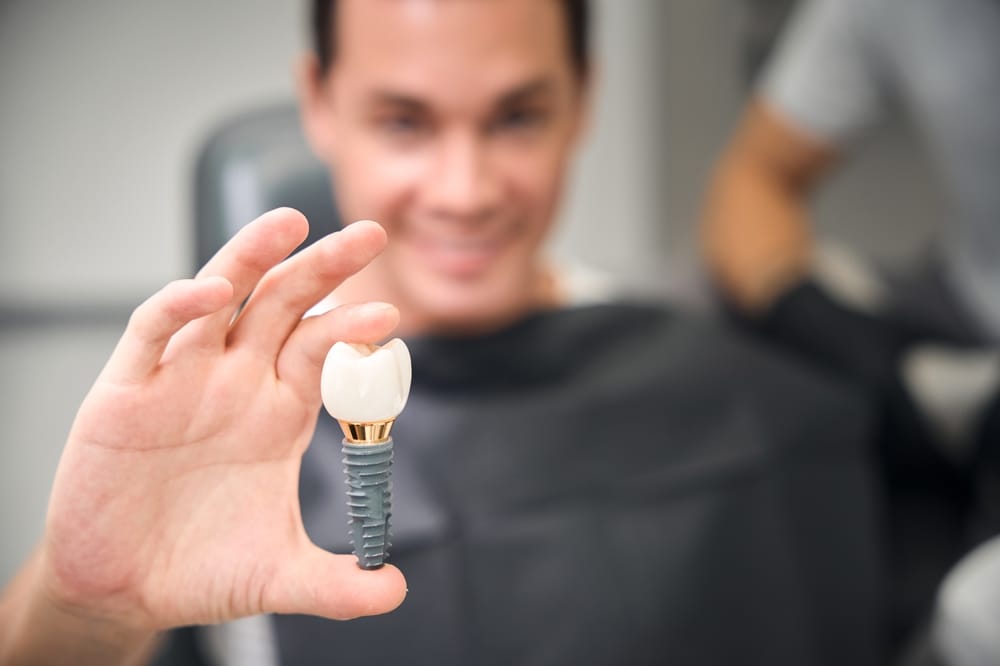
In the majority of cases, dental implants can often have a success rate of 95% or more after being placed and fully integrated with your jawbone. That said, there can always be a rare but slight chance of your new tooth root failing later on. Even if your dental implant begins to fail, our team can provide you with salvage treatment in San Marcos and Rancho Bernardo so that we can maintain your renewed smile. Keep reading to learn more about this service or give us a call if you wish to schedule an appointment today.
Why choose North County Aesthetics & Implants for dental implant failure & salvage?
- Advanced Diagnostic Imaging for Better Results
- Dentist with Advanced Dental Implant Training
- First-Class Service Focused on Patient Comfort
Why do dental implants fail?
Although there’s a very small chance of this occurring, a dental implant is most likely to fail due to a condition known as peri-implantitis—a form of periodontal disease that formulates around the titanium post and connective tissues holding it in place. Without treatment, the bacteria can begin to damage the gums and jawbone, causing the metal post to loosen or even fall out. Peri-implantitis often arises due to poor oral hygiene, similar to gum disease.
Other possible causes for dental implant failure include failed osseointegration (when the implant doesn’t properly fuse with the jawbone), improper placement, a weak immune system, or physical trauma to the face.

Symptoms of Failed Dental Implants
Knowing when your dental implants are beginning to show signs of an underlying issue can help you seek treatment before any complications worsen. Be sure to notify our team for help if you notice any of the following symptoms:
- You experience discomfort around the implant
- Biting down or chewing is uncomfortable
- Your dental implant feels loose
- There’s bleeding or swelling in the gums around the implant
- Pus is formulating in the gums surrounding the implant
How Dental Implant Salvage Works
Firstly, our team will thoroughly evaluate your situation to detect the underlying problem causing a failed dental implant. If your issue is due to peri-implantitis, we can provide gum disease treatment to get rid of the bacteria surrounding your metal post. Those with insufficient jawbone density might require bone grafts to help strengthen the tissue meant to support the dental implants. If the post(s) are failing due to an autoimmune disorder or other medical condition, then our team can work closely with your physician to address the problem while developing a plan to reintegrate your dental implant into your smile.
Frequently Asked Questions About Dental Implants
What is the difference between All-on-X and 3 on 6 dental implants?
All-on-4 dental implants and broader All-on-X systems refer to full-arch restorations supported by four or more implants, placed at angled positions and often guided by surgical guides to take advantage of available bone where density is better preserved. The 3 on 6 system uses six implants to support three separate bridge segments, spreading the chewing load across more anchor points. Both replace a full arch without requiring an implant for every missing tooth, but they differ in how load is distributed and how the restoration segments are configured.
Can a tooth be extracted and replaced with an implant on the same day?
Immediate implant placement involves placing the implant at the same appointment as the extraction, which is possible when the bone at the site has sufficient volume and density to support initial stability. Not every extraction site qualifies, and x-ray procedures including computed tomography are typically used to assess whether the site meets the criteria before a same-day approach is planned.
How do implant-supported dentures differ from traditional removable dentures?
Traditional removable dentures rest on the gum surface and rely on suction or adhesive for retention, which means they can shift during eating or speaking and don’t stimulate the underlying bone. Implant-supported dentures attach to implants anchored in the jaw, which removes that movement and also provides the stimulation the bone needs to maintain its volume over time.
What does periodontal health have to do with dental implant success?
The bacteria responsible for periodontal disease in natural teeth can also affect the tissue and bone surrounding implants. Patients with a history of untreated or poorly controlled gum disease face a higher risk of peri-implant disease and implant failure, which is why a full dental exam to assess periodontal health is typically completed before the dental implant procedure is recommended. Ongoing periodontal therapy after placement is a standard part of keeping those results long-term.
What happens during a smile consultation for dental implants?
A smile consultation gives patients the chance to review dental X-rays and computed tomography imaging from the Dexis OP 3D cone beam system and talk through how their bone volume, natural teeth, and functional goals line up with the available implant configurations. It’s a planning appointment designed to give patients the information they need to make a decision, not a commitment to any specific dental implant procedure.