TMJ & TMD Treatment

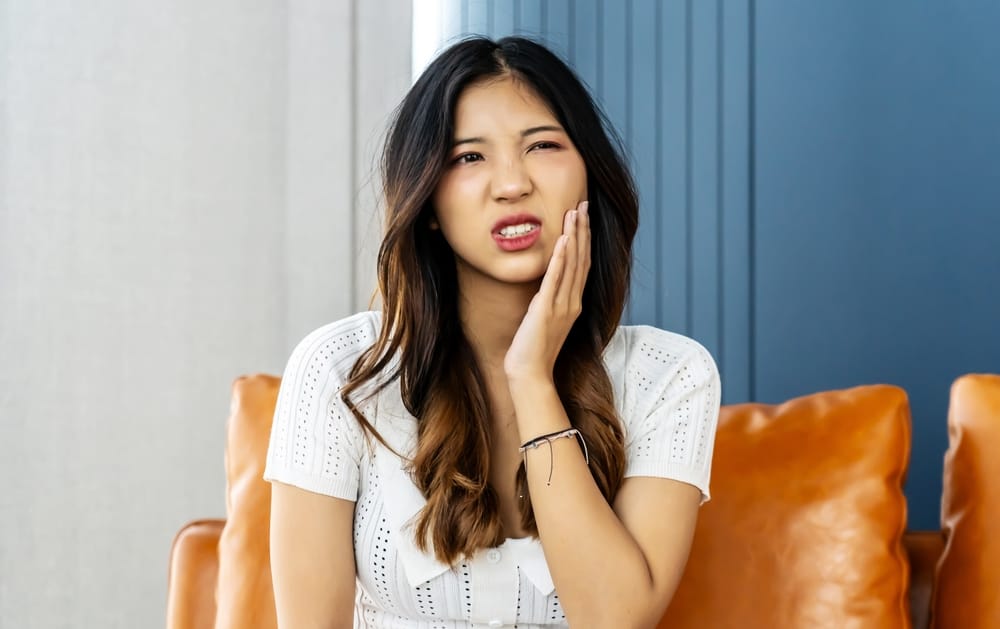
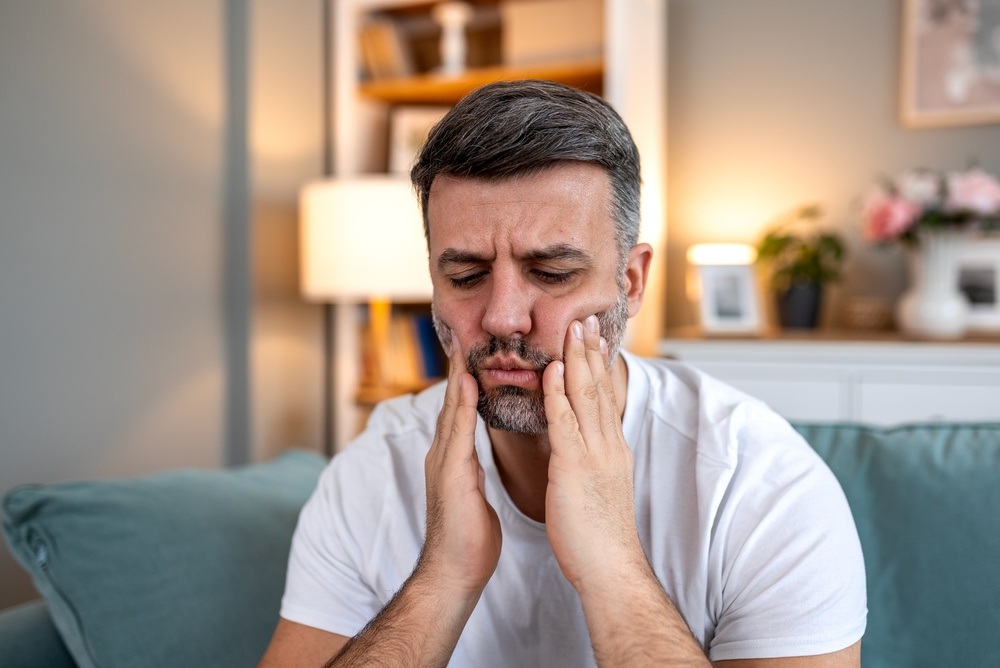
Jaw pain rarely announces itself as a dental problem right away. It can show up as a headache, a sore ear, or a jaw that clicks when you chew, and patients often see several specialists before anyone connects the dots. Your temporomandibular joint, or TMJ, is the sliding hinge in front of each ear that connects your lower jaw to your skull, while a temporomandibular disorder, or TMD, is what happens when that joint or the muscles around it stop working the way they should.

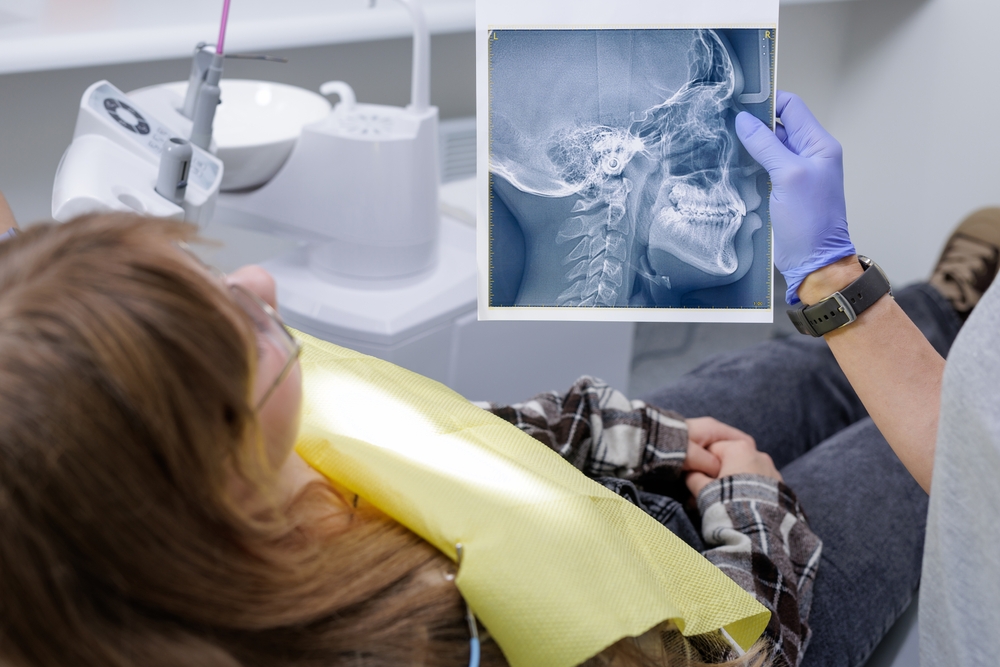
TMJ & TMD treatment covers the exams, therapies, and appliances used to reduce that strain, from simple home adjustments to custom oral appliances, and getting the right diagnosis matters more than the terminology. Dr. Khizer Hafeez, DDS, and the team at North County Aesthetics & Implants evaluate jaw pain the way they evaluate any bite issue, by tracing the symptom back to its mechanical source, whether that’s the joint itself or the muscles working around it.
Request Appointment

Meet the Doctors

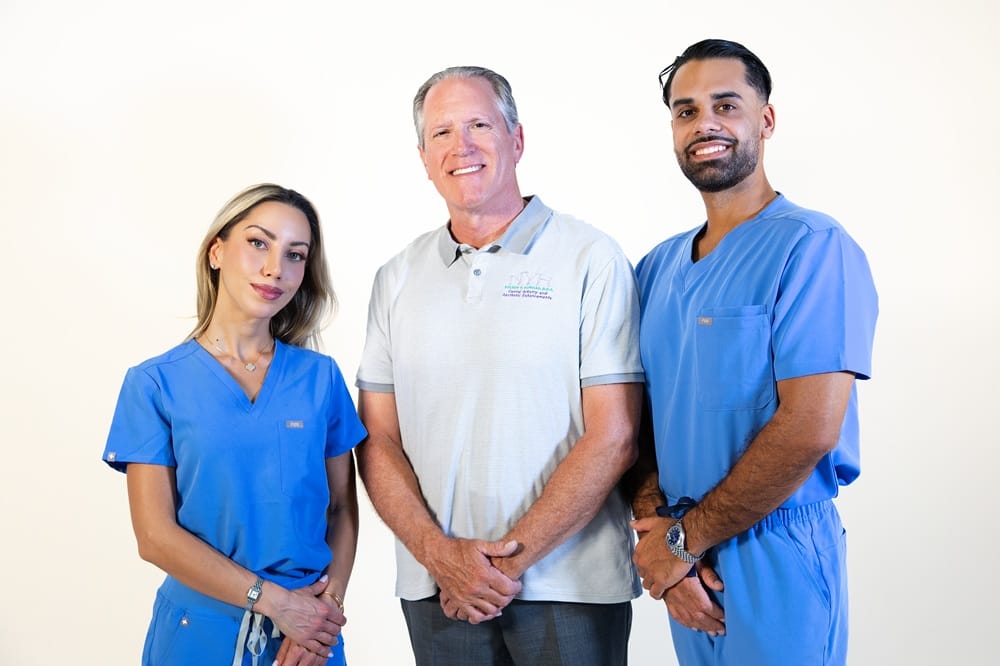
The team at North County Aesthetics & Implants brings decades of combined dental experience to jaw pain evaluation and care. Dr. Nelson Y. Howard, DDS, has practiced dentistry for 40 years and is accredited by the American Academy of Cosmetic Dentistry. Dr. Khizer Hafeez, DDS, trained at New York University College of Dentistry and brings a research-driven, evidence-based approach to every diagnosis. Dr. Dariyan Ayazi, DDS, rounds out a team focused on diagnostic accuracy and clear communication with every patient.

Learn About Your Doctor!

North County Aesthetics & Implants

Conditions, Symptoms, and Pain Associated with TMJ & TMD

TMD symptoms rarely show up alone, which is part of why patients often miss the pattern. According to NIDCR’s overview of temporomandibular disorders, roughly 11 to 12 million adults in the United States experience pain around the temporomandibular joint, and the condition affects women about twice as often as men. Morning headaches, a jaw that catches when opening wide, and a bite that feels slightly different are all signals worth paying attention to together, not in isolation.

Recognizing the Problem

A rapid evidence review on temporomandibular disorders published in American Family Physician found that among diagnosed TMD patients, headache appeared in about 79% of cases, jaw popping or clicking in roughly half, and neck pain in a similar share, meaning these symptoms usually cluster rather than occur alone.

The National Institute of Dental and Craniofacial Research also considers painless clicking by itself a normal variation, not a disorder. Clinically, what matters is whether clicking or tension comes with pain, stiffness, or a change in your bite.

When should you seek a professional?

Persistent jaw pain, painful clicking, jaw locking, or a noticeable shift in how your teeth meet are all reasons to schedule an evaluation rather than wait it out. Patients who avoid certain foods because chewing has become uncomfortable are often already past the point where watchful waiting helps. Earlier evaluation generally means simpler treatment and less wear on your teeth and jaw joint.

Speak to a Professional!

How We Diagnose and Treat Jaw Pain

Prevention and Hygiene Education

Reducing strain on your jaw starts with everyday awareness. Clinical guidance from the National Institute of Dental and Craniofacial Research recommends cutting back on habits like jaw clenching, gum chewing, and nail biting as a first step before pursuing more involved treatment.

Posture matters too, since hours spent looking down at a phone or screen can pull your jaw out of its natural resting position. Staying current with routine dental checkups also helps catch early wear patterns before they become a bigger problem.

Popular Home Remedies

Many patients try jaw stretches, warm or cold compresses, softer foods, and over-the-counter pain relievers before seeking treatment. These approaches have real support: in The TMJ Association’s patient survey on self-care, thermal therapy was the most commonly used home remedy, and most respondents who tried it reported real symptom relief.

Cutting back on caffeine and practicing relaxation techniques before bed are also frequently mentioned by patients managing nighttime clenching.

What the Research Says

A 2016 meta-analysis on splint therapy for temporomandibular disorders, which reviewed 13 clinical studies, found that splints improved maximum mouth opening in patients with restricted movement and reduced pain intensity in patients without a specific joint diagnosis.

That distinction matters clinically, since muscle-based TMD tends to respond better to conservative therapy than joint-based TMD involving disc displacement. Patients who don’t improve after trying self-care or a fitted appliance for several weeks are good candidates for a more thorough clinical evaluation.

Cost and Insurance for TMJ & TMD Treatment

TMD sits in a gray area between dental and medical care, so coverage depends heavily on how your treatment is classified and coded.

Industry Average Pricing

Treatment costs vary widely based on whether you need a simple night guard, a stabilization appliance, or more involved bite correction. Because pricing depends so much on your specific diagnosis and appliance type, the most reliable way to understand your likely cost is a direct conversation with our team after an evaluation. Our payment options page also outlines financing paths patients commonly use for jaw treatment.

Common Insurance Providers

Coverage for TMD care can fall under dental insurance, medical insurance, or both. National carriers like Aetna’s clinical policy on temporomandibular disorders generally treat non-surgical appliances as potentially covered under medical plans when pain or functional loss is well documented. In contrast, appliances used only for grinding sometimes fall under dental coverage instead. This list isn’t a guarantee of what your specific plan covers, so the most reliable next step is to verify benefits directly with our team.

Speak to a Professional!

FAQs

How to fix TMJ?

Fixing TMJ-related pain starts with an exam to determine whether your discomfort comes from the muscles, the joint, or both. Conservative options like a custom night guard, jaw exercises, and reducing clenching habits resolve many cases without surgery. More persistent or joint-based cases may need additional therapies, so a professional evaluation is the most reliable starting point.

What causes TMJ?

TMJ pain is usually caused by a combination of factors rather than one single trigger. Clenching, teeth grinding, jaw injury, arthritis, and chronic stress are among the most common contributors clinicians look for. In many cases, the exact cause isn’t fully clear, which is why a thorough evaluation matters more than guessing at a single explanation.

Can TMJ cause ear pain?

Yes, TMJ problems can cause ear pain because the joint sits directly in front of the ear canal. Pain, pressure, or even ringing in the ears is sometimes mistaken for an ear infection when the jaw joint is actually the source. If ear pain comes with jaw clicking or tenderness, a dental evaluation can help rule in or rule out TMD as the cause.

How long does TMD last?

How long TMD lasts depends on the underlying cause and how early you address it. Many mild cases improve within weeks using conservative self-care and simple lifestyle changes. Cases involving joint damage or long-term grinding tend to take longer and may need ongoing management rather than a quick fix.

Does TMD go away?

TMD can go away on its own, especially when symptoms are mild and caused by temporary muscle tension. More persistent cases, especially those involving joint damage, typically don’t resolve without some form of treatment. If your symptoms last more than a few weeks despite home care, that’s a sign the condition needs professional attention rather than more waiting.

What causes TMD?

TMD is caused by a mix of muscular, joint-related, and behavioral factors, including clenching, grinding, jaw injury, and joint degeneration. Stress plays a role for many patients, since it often increases jaw clenching without them realizing it. Because the causes vary so much from person to person, an individual evaluation is the only reliable way to identify what’s driving your specific symptoms.

Get an Answer for What’s Really Causing Your Pain

Jaw pain gets misdiagnosed often, partly because it mimics ear infections, migraines, and tooth pain all at once. Dr. Khizer Hafeez’s background in evidence-based diagnosis is built for exactly this kind of overlap. Reach North County Aesthetics & Implants at 760.330.8146 in San Marcos, 858.758.4860 in Rancho Bernardo, or get in touch here.

Request Appointment
San Marcos
Rancho Bernardo