Dental Crowns

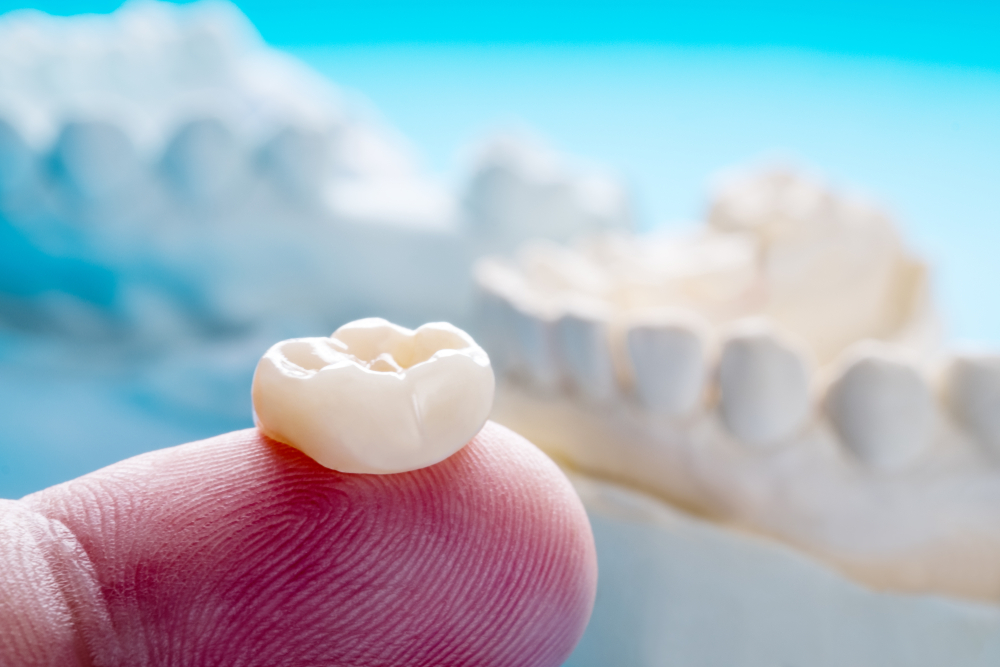
A dental crown is, in Merriam-Webster’s dental definition, “the part of a tooth external to the gum or an artificial substitute for this.” Crowns have restored damaged teeth for centuries. Wikipedia’s history of the restoration traces evidence of gold dental prostheses back to the Etruscans, who used crowns and rudimentary bridges as early as roughly 700 BC, with materials and cementing methods improving steadily through the 1800s.

At North County Aesthetics & Implants, that centuries-old restorative dentistry has entered its most current form: Dr. Khizer Hafeez, DDS, and the clinical team use same-day 3D-printed and pressed crowns to rebuild teeth that decay, cracking, or a root canal have left too weak to function on their own, designing and delivering the finished restoration in a single visit instead of the traditional two.

Request Appointment

Meet the Doctors at North County Aesthetics & Implants

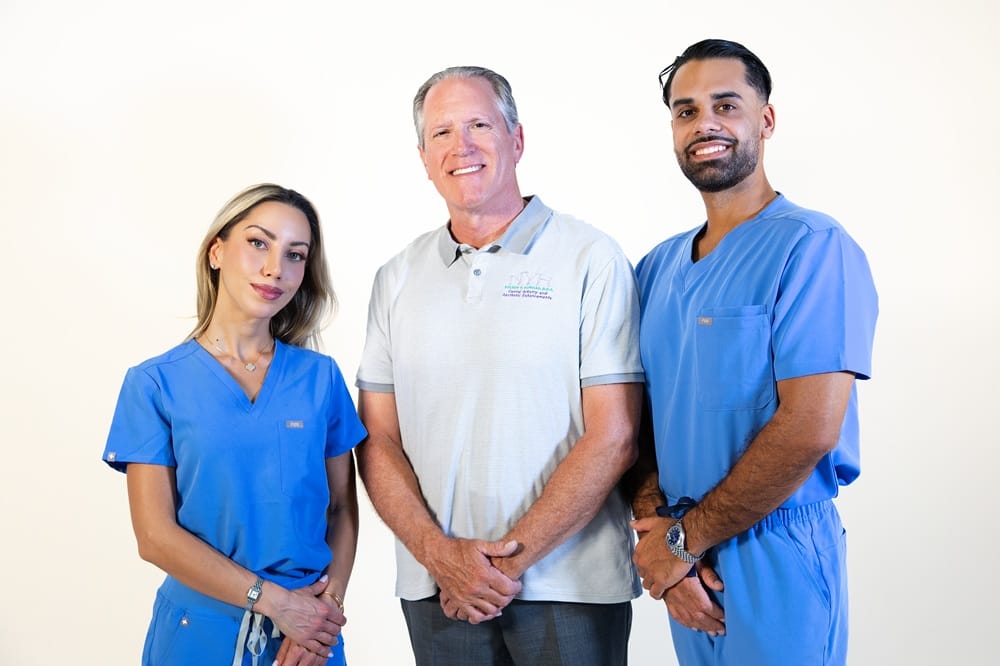
The clinical team includes Dr. Nelson Y. Howard, Dr. Khizer Hafeez, and Dr. Dariyan Ayazi. Dr. Howard is an accredited member of the American Academy of Cosmetic Dentistry and a founding member of the West Coast Society for Cosmetic Dentistry, with more than 2,000 hours of continuing education and a General Practice Residency at the V.A. Medical Center in West Los Angeles.

Dr. Hafeez holds a Doctor of Dental Surgery from New York University College of Dentistry and brings a research background in evidence-based care, including internationally recognized work in cardiovascular disease research that informs his diagnostic approach. With the Trios 6 scanner and Dexis OP 3D imaging, the team designs, fabricates, and delivers crowns without a lab wait in between.

Learn About Your Doctor!

North County Aesthetics & Implants

Conditions, Symptoms, and Pain That May Require a Dental Crown

A tooth that has lost structure to decay presents differently than one that cracked under biting pressure or one that needs protection after root canal therapy. Still, none of these situations respond reliably to a filling alone. Pressure sensitivity, visible fracture lines along a cusp, pain when releasing a bite rather than applying it, or a tooth with several large fillings already in place are all signs a crown may be the more appropriate fix.

According to CDC surveillance data on untreated tooth decay, prevalence rises from about 3% among children aged 6 to 11 to roughly 22% among adults aged 20 to 34, underscoring how common this kind of structural damage is.

Recognizing the Problem

Early structural compromise often shows up as sensation rather than visible damage: a rough edge that catches the tongue, a subtle shift in your bite, or a mild ache under specific chewing conditions. A PubMed-indexed study on cracked tooth syndrome found it to be “a common clinical finding for teeth,” affecting about 5% of all adults each year.

When should you seek a professional?

Teeth with fractures, significant decay, or vulnerability after root canal treatment don’t stabilize on their own, and the problem typically progresses the longer it’s left alone. A narrative review of cracked-tooth treatment outcomes found that delayed diagnosis has been linked to a higher rate of pulpal complications. If your symptoms feel sudden or severe, same-day emergency dentistry can evaluate the tooth right away.

Speak to a Professional!

Our Dental Crown Options

Same-day fabrication comes in two forms at this practice: crowns built with a 3D printer and crowns formed through heat and pressure. Both methods start with the same digital scan of your prepared tooth, captured with the practice’s dental technology, but they shape the final restoration differently. Dr. Hafeez and the team choose between them based on where the tooth sits in your mouth and what it needs to do.

How Your Crown Comes Together in One Visit

Digital Scan and Diagnosis

Dr. Hafeez or a member of the team examines the tooth in question and reviews your symptoms and dental history. Digital imaging from the Dexis OP 3D system and a scan from the Trios 6 confirm the extent of the damage. You’ll leave this step understanding exactly why a crown is or isn’t the right restoration.

Material and Design Selection

Once the tooth is assessed, the team selects a crown material and fabrication method, printed or pressed, suited to its location and bite forces. You’ll review the reasoning and cost before any preparation begins.

On-Site Fabrication

The tooth is prepared and scanned, and the digital design is sent to either the SprintRay Midas printer or the pressing system. Dr. Hafeez oversees the crown’s fit, bite, and finish as it’s fabricated in-office.

Same-Visit Placement

Once fabrication is complete, Dr. Hafeez checks the crown’s fit and bite before cementing it permanently in place. The team adjusts any high spots right away, so you leave with a crown that feels balanced and secure.

Post-Placement Check-In

A short follow-up visit lets the team confirm your bite feels even and the crown has settled properly. Routine dental checkups and cleanings after that catch early wear or marginal changes before they affect the restoration.

Prevention and Hygiene Habits That Protect Dental Restorations

Large cavities, repeated fractures, and teeth weakened by multiple fillings aren’t inevitable. Brushing twice with fluoride toothpaste, flossing once daily, and avoiding habits like chewing ice all reduce the risk of the kind of damage that eventually calls for a crown. 

ADA guidance on home oral care found sufficient evidence that twice-daily brushing was optimal for reducing caries, gum recession, and periodontitis, and pairing that routine with regular periodontal therapy and dental cleanings catches early decay before it progresses.

Home Approaches Patients Try Before Seeking Care

Many patients reach for pharmacy dental cement, ibuprofen, or clove oil, which contains eugenol, a natural analgesic, before they can get an appointment. A systematic review of self-medication for dental pain published in BMC Oral Health, drawing on 37 studies and more than 12,000 participants, found an overall prevalence of self-medication for dental problems of 59%.

What the Research Says

None of these home approaches address the underlying damage that makes a crown necessary. A case-series report on delayed dental treatment found that delay in dental treatment “may cause complicated odontogenic infections and mortality due to late diagnosis.”

What Dental Crowns Cost and How Insurance Helps

Many dental insurance plans cover crowns placed for functional or restorative reasons, though coverage amounts, waiting periods, and annual maximums vary by plan. Visit the practice’s payment options page for details on financing and accepted plans.

Industry Average Pricing for Dental Crowns

A 2024 national cost study on porcelain crown pricing conducted by ASQ360° Market Research for Synchrony’s CareCredit found the national average cost of a porcelain crown to be $1,399, typically ranging from $915 to $3,254.

Common Insurance Providers That Cover Dental Crowns

Independent market research on U.S. dental insurance carriers identifies Delta Dental, MetLife, Cigna, Aetna, and UnitedHealthcare as the major companies operating in the market. Confirm your coverage with the team before your appointment.

Speak to a Professional!

North County Aesthetics & Implants

FAQs

How long do dental crowns last?

Dental crowns generally last between five and 15 years with proper care, depending on the material, your oral hygiene, and habits like teeth grinding. Same-day crowns produced through digital fabrication have shown durability comparable to traditionally made crowns in growing clinical research. Routine checkups let your dentist catch early wear before it affects the crown’s function.

How much does a dental crown cost?

A 2024 national cost study found the average porcelain crown costs $1,399, typically ranging from $915 to $3,254 depending on material, location, and case complexity. These figures are industry averages, not a quote for any specific practice. Contact the team directly to get pricing based on your treatment plan and insurance.

Does dental insurance cover crowns?

Many dental insurance plans cover crowns when they’re placed for functional or restorative reasons, such as after decay, fracture, or root canal therapy. Coverage amounts, waiting periods, and annual maximums vary widely by plan. Reviewing your specific benefits with your provider gives you the clearest picture of your out-of-pocket cost.

Can an MRI be done with dental crowns?

Yes, MRI scans can generally be done safely with dental crowns, especially all-ceramic or porcelain crowns, which contain no metal and cause no interference. Crowns with a metal component may create minor image artifacts if the scan focuses on your head, jaw, or neck, though this isn’t a safety risk. Telling your MRI technician about any dental work beforehand lets them adjust the scan if needed.

How are new dental crowns made?

New crowns start with a digital scan of the prepared tooth using an intraoral scanner, replacing the need for a traditional physical impression. With same-day systems, that design is either 3D printed layer by layer or formed by heating and pressing a ceramic ingot, both within the same appointment. Traditional crowns follow a similar design process but are fabricated at an outside lab and require a second visit for placement.

Ready for a crown that doesn’t take weeks?

A cracked, decayed, or root-canal-treated tooth doesn’t get stronger with time. Dr. Khizer Hafeez and the team at North County Aesthetics & Implants can often diagnose the problem and deliver a finished crown in the same visit, so yo won’t bet left waiting weeks for lasting protection. Call our San Marcos office at 760.330.8146 or our Rancho Bernardo office at 858.758.4860, or visit the patient center to find out if a same-day crown is the right fit for your tooth.

Request Appointment
San Marcos
Rancho Bernardo